
How to prioritize SEO fixes after a free audit
A high score feels good; a long issue list feels overwhelming. Here is a practical order of operations after running IntenseSEO.

Start with crawl blockers
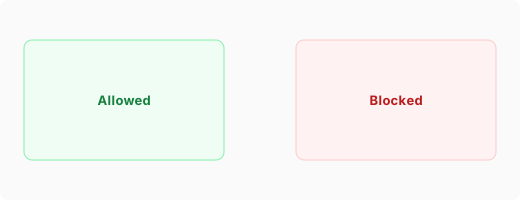
If search engines cannot fetch or index a URL, on-page polish will not matter. Fix HTTP errors, accidental noindex directives, and robots.txt rules that block important paths before you rewrite copy.
IntenseSEO flags many of these as critical because they affect the whole site—not just one page.
Then HTTPS and canonical clarity
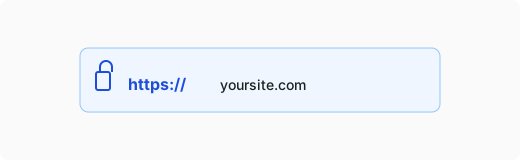
Mixed or missing HTTPS, redirect chains, and conflicting canonical tags create duplicate or insecure versions of the same content. Resolve one preferred URL per page before investing in keyword tweaks.
Titles and meta descriptions next
These elements directly influence click-through from search results. Address missing titles, duplicates across pages, and meta descriptions that are empty or far outside sensible length ranges.
Our checker measures length and presence—not whether a phrase will rank #1—so pair tool output with Search Console impressions.
Structure, media, and social tags
Heading hierarchy, image alt text, Open Graph, and schema are often quick wins once crawl and HTTPS are sound. They improve accessibility, sharing previews, and eligibility for some rich results.
Use AI suggestions last, selectively
AI copy drafts are most useful when the audit already flagged a specific text issue and you have verified the page is indexable. Do not publish AI output without a human review against brand and compliance needs.
- Critical → fix before publishing new campaigns
- Warning → schedule within the next sprint
- Passed → monitor; regressions may appear on future audits
Try IntenseSEO on your URL
Free audit with 90+ checks at https://intenseseo.com.